

It’s Q&A time! You can ask your own question here for a chance to have it answered in an upcoming edition.
This week’s question is about creatine, a supplement that’s been getting a lot of hype in wellness culture. The first part of my answer is available to everyone, and paid subscribers can read the whole thing, including my deep dive into the scientific literature.
The latest hot supplement these days seems to be creatine. I would love to know more about it and whether or not the current science supports the claims that are being made.
FYI: my answers here are for educational and informational purposes only, aren’t a substitute for medical or mental-health advice, and don’t constitute a provider-patient relationship.
Creatine is indeed a hot supplement in wellness spaces. Long popular with gym-bro types, in recent years creatine has moved into mainstream wellness culture and become increasingly popular with women, thanks in part to influencers and big-name podcasters.
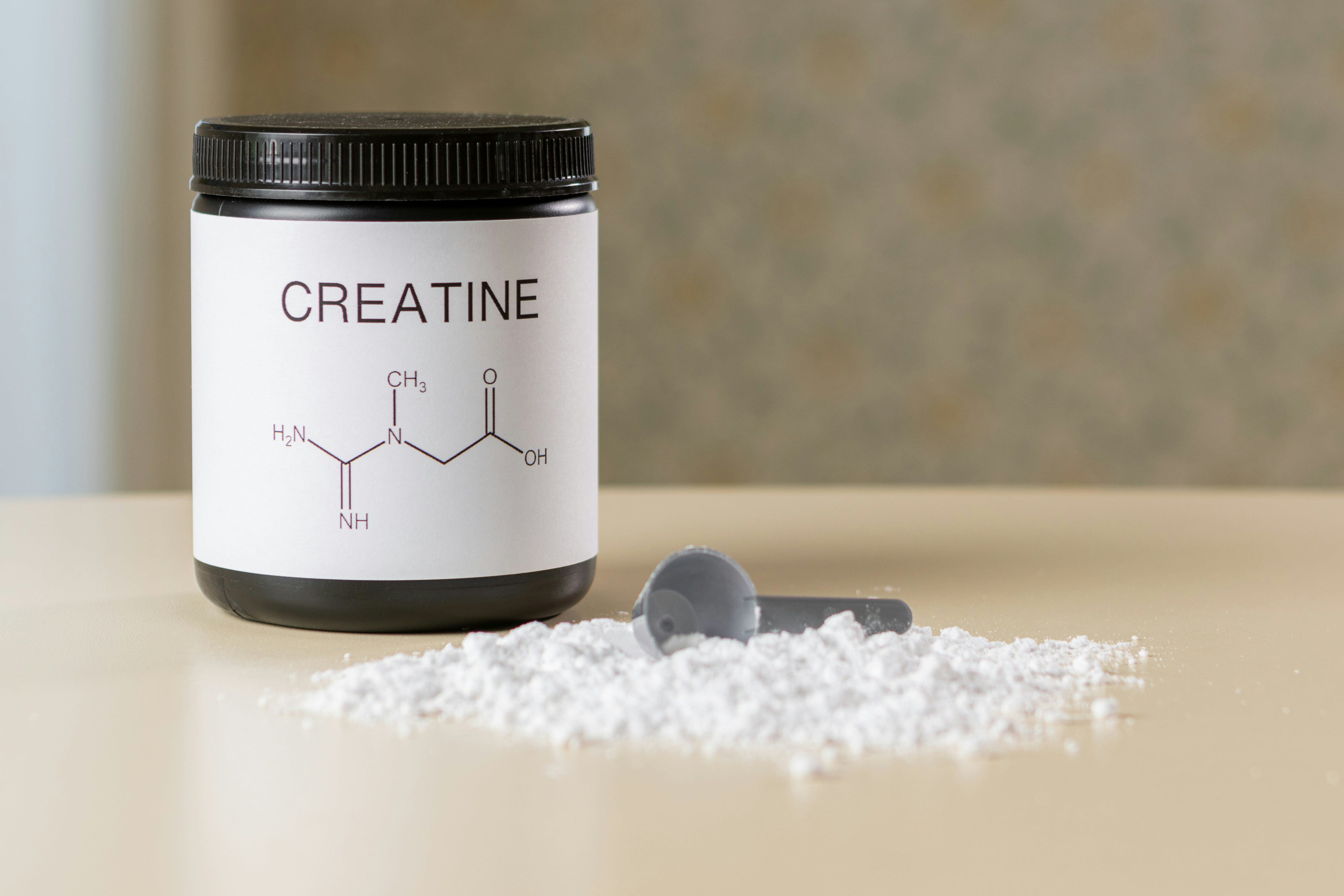
Creatine is an organic compound that helps the muscles produce energy. It’s found naturally in meat, poultry, and fish and synthesized in the body from amino acids in plant proteins (except in rare creatine deficiency disorders that require supplementation). Despite its abundance, many people use creatine supplements to try to get more of the compound, on the belief that it has a wide variety of health benefits.
Health claims about creatine often center on muscle building and athletic performance, which are probably the most common reasons people take the supplement. But the purported benefits also go farther, extending to brain health, gut health, bone density, cardiovascular health, and more.
What does the science really say? You may or may not be surprised to learn that many of the popular claims about creatine are wildly overblown, though there are some grains of truth.


